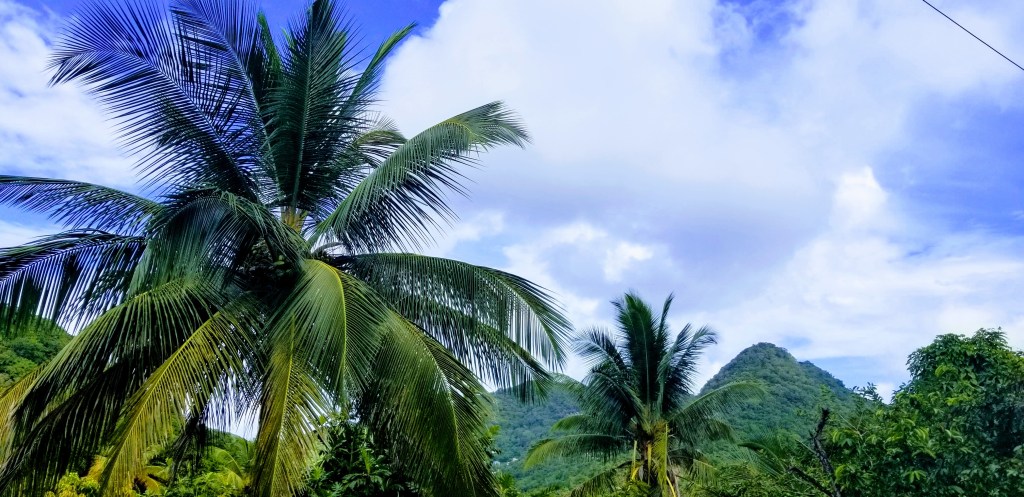
The Caribbean is described as and will always be considered a “melting pot” of cultures, races, identities, religion and ethnicities. This was largely caused by the migration of various peoples with different backgrounds, voluntarily and involuntarily to the mainland territories and the archipelago of islands that we call the Caribbean. The intermingling of these people before and after slavery and emancipation, where one race is deemed superior to other races, has created a collective culture within the region, which integrates elements of African, European and Asian culture. Therefore, our checkered past has indelibly influenced our modern societal structures we live in and will continue to shape our experiences in the future. Moreover, these experiences will be affected by racism alongside colorism, government corruption and intolerance to an individual’s sexual orientation.
Racism is a deep rooted issue experienced by the oppressed due to preconceived notions that one race is superior to others. This dispute will only cause animosity and distrust between the parties involved as well as prejudicial treatment by one race over another. Historically, the colonization of the Caribbean by the European power; England, France and Spain with the intention to mine gold and silver evolved in agricultural exploits instead. As a result, a reliable supply of labour was essential for the running of estates. A plantation style society was established as the massive population of Africans slaves was placed at the bottom of the social hierarchy with small white planter class at the top; enjoying the fruits of the African’s labour. The Africans were inhumanely treated under the chattel style of slavery. There were no laws restricting the planters from mistreating them as the planters viewed the Africans as their property. This ordeal immediately created distrust between the two races.
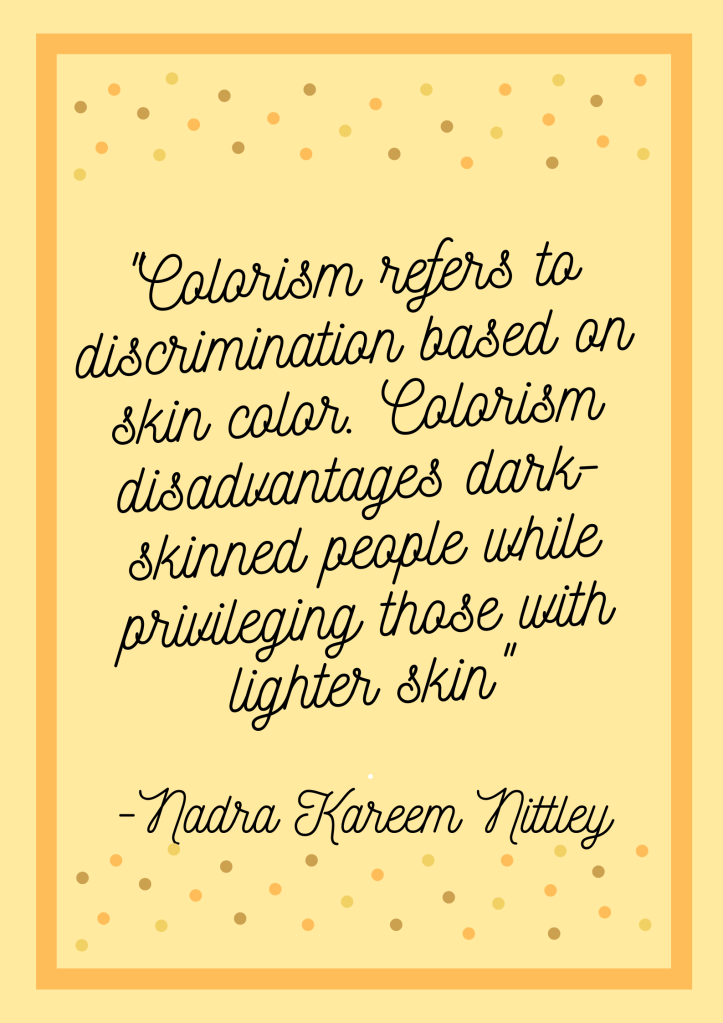
This distrust was further exacerbated as there was distrust with the African population itself. Colourism began to take shape through the favouring of lighter skinned Africans by planters and by the wider society. These lighter skinned Africans, who were most likely children or grandchildren of the planter, had more Eurocentric features such as fair skin, less kinky hair and thinner lips. They enjoyed certain privileges like working in the plantation house rather leaving the dark skinned Africans doing strenuous work in the cane fields. The intolerance for dark skinned people and their values, lead to a strong preference for metropolitan values by the socially and economically oppressed. In an aim to stray away from the negativity attached to being black, dark skinned people affiliated themselves to Eurocentric ideologies, by engaging in skin bleaching and straightening their naturally kinky hair.
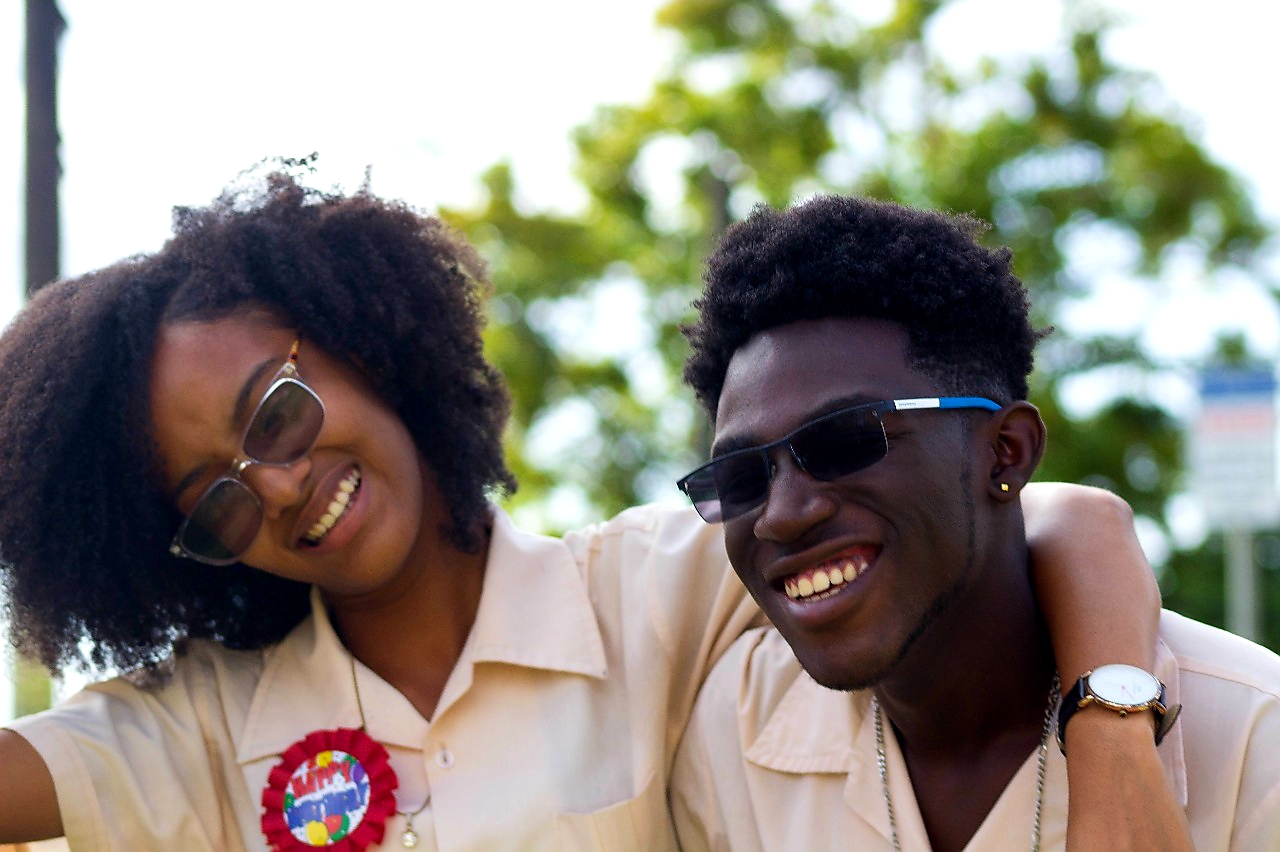
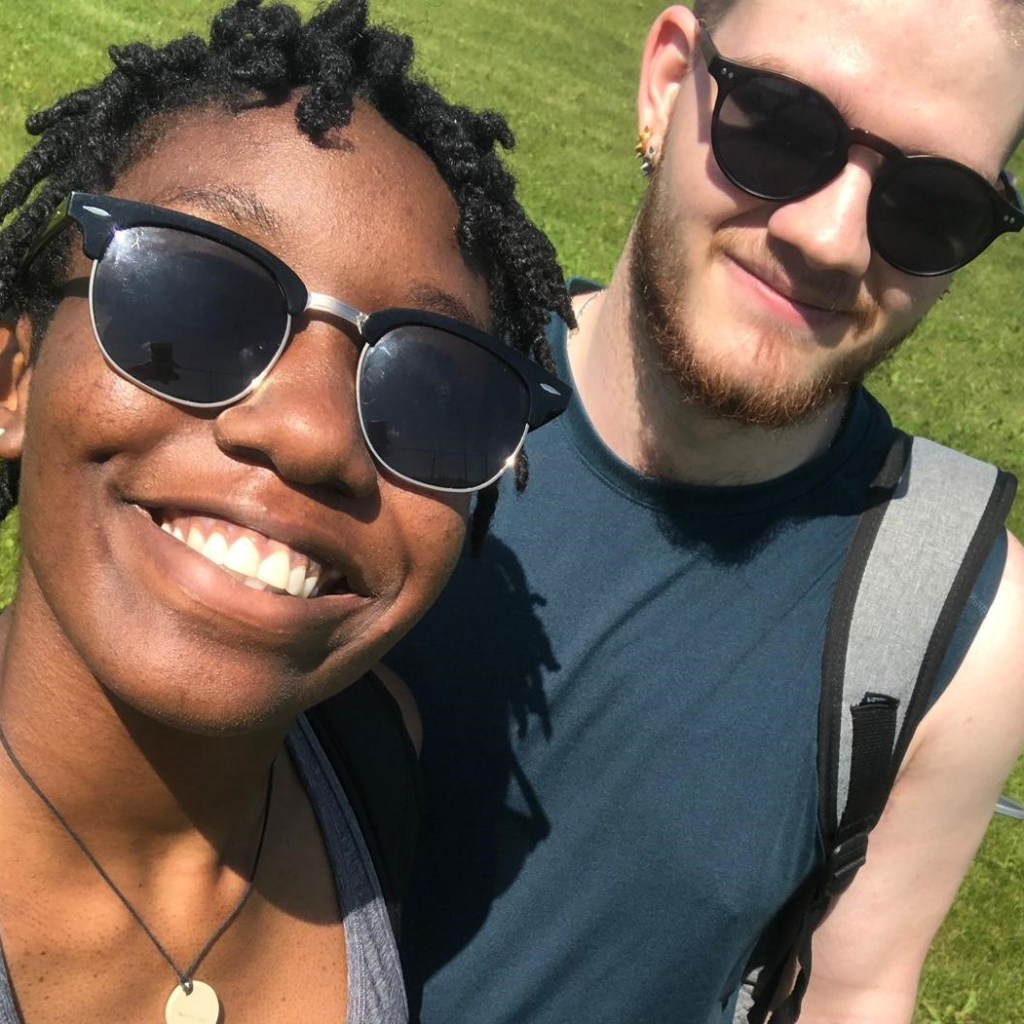
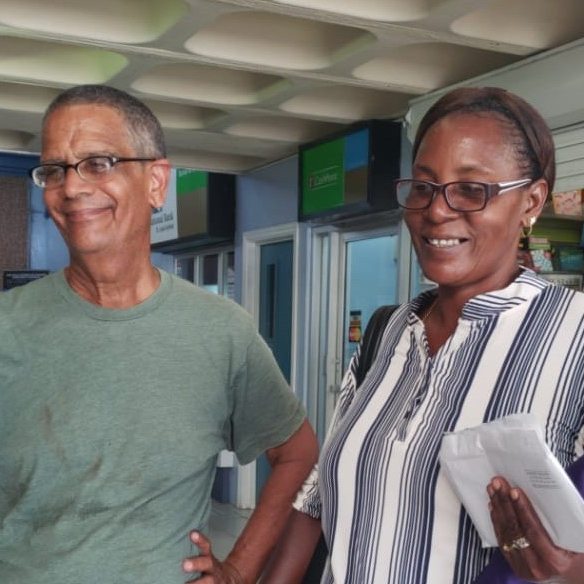

Moreover, various colourist terms began to pop up in islands such as Trinidad & Tobago, St Lucia, Barbados, St Kitts & Nevis (“Colourism: The Story behind the Art”). These terms may include:
- Darkie – a person with dark brown skin
- High Brown – a person with light brown skin, but not light enough to pass for white
- Reds – a person with light brown skin, light enough to pass for white
- Negs – a person with very dark brown skin, almost black
- Shabeen/ Shabin– a person with skin that is light enough to pass for white, who also has hair that is some shade of blonde or very light brown that might be close to their complexion. This term especially refers to those whose hair is ‘nappy’ despite it being a colour that would traditionally be associated with white skin and hair texture.
(However, in St. Lucia, “Shabin” was been used by the younger generations to describe anyone who is generally light skinned no matter their hair colour)
-“Colourism: The Story behind the Art”
After the emancipation of the slaves, waves of immigrants coming from China, India, Africa and South East Asia flooded the Caribbean. The newly freed Africans might have felt some type of mistrust towards the planter class because indentured servants were not subjected to the harsh treatment they and their ancestors had faced. Also, the difference between their working conditions created animosity between the indentured servants and the Africans.
Examples of disputes based on race in the Caribbean are:
- Chinese and Afro-descendants in Cuba
- Afro-Caribbean and the descendants of immigrants from India in Trinidad and Suriname
- Dominicans and Haitians
- Bahamians and Haitians
-“Racism in the Caribbean: Practice and Resistance”
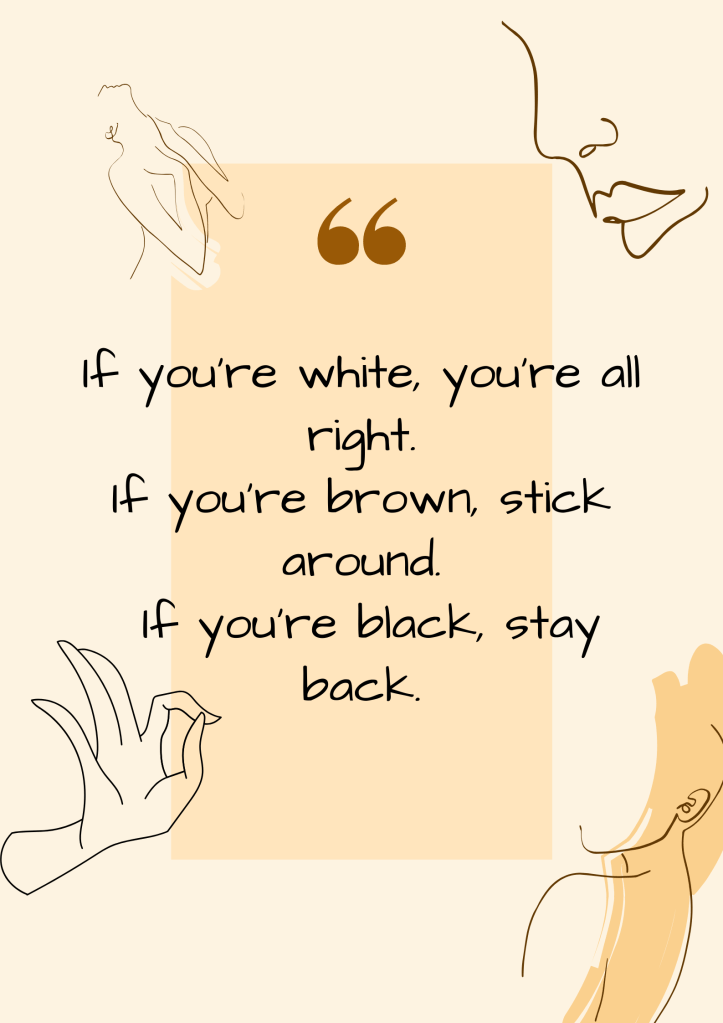
The refusal to recognize and accept an individual’s preferences and choices especially their sexual orientation has led to intolerance and mistrust between those who identify themselves as straight or and persons who identify as otherwise.
Identity is broken down into: ‘fact of identity’ and ‘sense of identity’.
The fact of identity refers to a group situation which focuses on shared characteristics and behaviours, called objective attributes (race, ethnicity and gender).
A sense of identity, includes subjective matters relating to how one perceives the world or how one experiences selfhood.
–Abrahim Khan http://mhscarib.blogspot.com/2010/10/caribbean-identity-defining-caribbean.html
Your sexuality can play an important role in your sense of identity. Sexuality often refers to a person’s sexual preference, that is, who you are emotionally, mentally and physically attracted to. You may identify yourself as gay, lesbian, bisexual, straight or you may not be sure of your sexuality.
– “Head to Health:Sexuality” https://headtohealth.gov.au/supporting-yourself/support-for/sexuality
According to Jackman, anti-gay laws of Barbados, Guyana and Trinidad and Tobago were first imposed during British colonialism. Gupta and Long note that Britain subjected its colonies to various anti-sodomy provisions in an attempt to import British morality as well as protect British soldiers and colonial administrators from ‘corruption’ (qtd in Jackman).
Homophobia is still a rampant issue faced by those who engage in sexual relations with the same gender today. Those who strongly oppose homosexuality, deem it to be unnatural as it deviates the norm of heterosexuality. Religion also plays a part here as it gives a foundation for these extreme expressions of homophobia. The religious devout have continually shown their stance against people identify themselves other than straight. Homosexuals are considered to be “abominations” and any other names mentioned in the Bible. Another factor that contributes to the intolerance posed against homosexuals, transgenders and bisexuals is the immense social pressure to conform to cultural expectations of masculinity and femininity as well as traditional gender roles (Marshall). According to White ad Carr (2005), men should emphasize their sexual prowess with women and eschew any ‘softness’ (qtd in Kempadoo, 6). However, their clashing sexual practices and desire to stray away from these expectations, result in gross discrimination, stigmatization, verbal and physical abuse.
Here are some cases of homophobic acts of violence and instances of intolerance for homosexuality:
- In Jamaica, the brutal mob killing of Dwayne Jones attracted major international coverage by the news media and human rights organisations. He was a transgender 16 year old, went to a party dressed as a woman. He was accused of deceiving male dancing partners and when he was recognized by a woman and announced that he was a male. As a result, he was beaten, stabbed and shot to death. His body was subsequently run over by a car and dumped into bushes. (Marshall)
- In Trinidad and Tobago, an openly gay performer, Sir Elton John was opposed by religious leaders from performing in a music festival in 2007. Church leaders argued that his performance might can open up the country to his lifestyle and turn the population gay by leaving impressions on the minds of persons who are unsure of their sexuality. (Haines)
- In St. Lucia, a human rights advocate and communications officer of United and Strong, a local LGBT organization, has received several death threats even though he is straight but does not conform to traditional gender roles. (“Paradise Lost”)
In addition, gay men are constantly ridiculed by the general public, who use derogatory, homophobic words such as “macomere”, “batty man” and “bulla”. Additionally, if a straight man was called one of the words, he would immediately feel get angry or hostile as he would never want to be associated with anything that might threaten his masculinity. These slurs are used in songs, especially in the dancehall genre, openly discriminating and condemning homosexuals.
Furthermore, many Caribbean countries have laws against homosexuality as same sex relations such as “buggery” or “gross indecency” still remain as criminal acts. Although these laws are rarely enforced and remain dormant, it still shows that there is the intolerance for a specific kind of individual’s and their practices. Here are penalties of engaging in anal sex in various Caribbean countries:
- In Barbados, one can face a maximum penalty of life imprisonment (Jackman)
- In St. Lucia, one can face a ten year prison sentence (Boyle)
- In Trinidad and Tobago, one can face a maximum penalty of twenty five years in prison. (Jackman)
The inability of the citizens of a country to trust their government is an issue faced in the Caribbean. Historically, Caribbean people did not trust their colonial masters to head their government and the population. This mistrust of the highest authority is still experienced today. Political corruption is a main contributor to this feeling. Political corruption is described as the abuse and misuse of power by the political decision makers (Amundsen, 3).
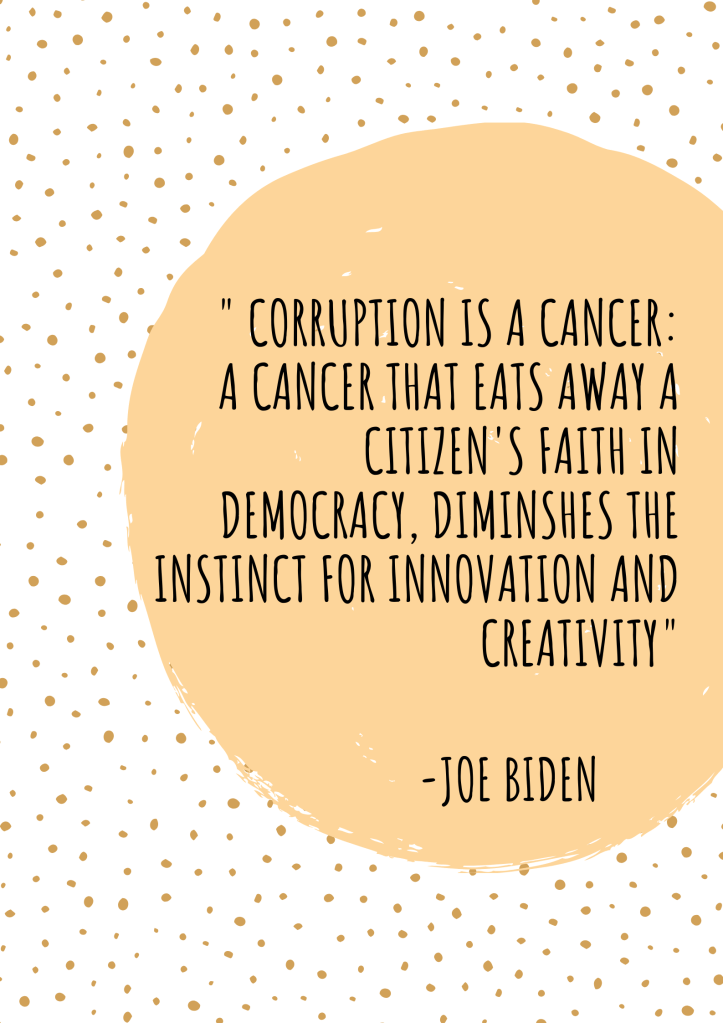
He also states that political corruption is used to sustain a political decision maker’s power, influence, status and wealth and usually takes place at high levels of government. Examples of various forms of political corruption experienced in the Caribbean are:
- Bribery
- Embezzlement
- Fraud
- Extortion
A survey done in 2019 by Transparency International Global Corruption in Latin America and the Caribbean, assessed the public’s view and experiences of corruption in their country. It states that 53% of Barbadian, 59% of Guyanese, 78% of Jamaican and 80% of Bahamian respondents think that government corruption is a major problem in their respective countries. The report mentions that one in five people who have accessed public services have paid a bribe the preceding year. It also states that the payment of bribes by women for health services and public school education is common (qtd in Mckenzie). Additionally, Jamaican citizens have difficulty speaking out and reporting bribery crimes as they are afraid of putting themselves at risk. They believe that persons in authority; government officials and the police will not be punished accordingly but they will be the one struck with negative consequences (McKendrick qtd in Edwards).
Moreover in Trinidad and Tobago, there was a growing concern for the increasing level of corruption. In one case, four police officers were arrested for attempting to extort TTD 53, 000 from a Chinese businessperson. When the individual refused, the officers stole an undisclosed amount of jewellery. Within the Trinidadian police force, independents reports state as much as one third of the force is corrupt. These reports suggests that corruption is practiced by the top ranking officials to the lowest of the rank. Furthermore, local communities began to lose trust in their law enforcement because of suspected gang ties (Osborne).
It can be said that corruption perpetrated by the government violates its civic duty for the provision of basic human needs to its citizens but instead, government officials use their authority for their personal gain. Democracy is also challenged by the practice of vote buying and spreading fake news on political opponents. The police force themselves become criminals instead of bringing them to justice. And as a result, there is a growing distrust and disappointment in the government by the public (McKenzie).
Racism, colourism, intolerance to the LGBT community and the mistrust felt by the public due to political corruption are issues experienced in the Caribbean today. The mixing of people of differing origins with their varying skin tones, languages, customs and religions has created an interesting environment for both the good and the bad to take place. Colonial rule has contributed to current of issues of racism, colourism and political corruption. and the society today has shape our identity and sexuality. Therefore, history has influenced our society, culture and identity and will continue to do so for many generations to come.
 Mundae's Blog